Semmelweis & Lister: Pioneers of Asepsis History and the Dawn of Keimfreiheit Medizinisch
The landscape of medicine before the 19th century was often a harrowing one. Surgical procedures, even minor ones, carried an alarmingly high risk of death, not from the initial trauma itself, but from the rampant, often mysterious, infections that followed. It was a world where invisible enemies wreaked havoc, a world desperately awaiting the understanding of what we now call
Keimfreiheit Medizinisch – medical germ-freeness or sterility. This profound shift in medical practice, from a realm of perilous uncertainty to one governed by meticulous hygiene, owes an immense debt to two visionary physicians: Ignaz Semmelweis and Joseph Lister. Their pioneering work laid the foundational principles of asepsis and antisepsis, fundamentally transforming healthcare and saving countless lives.
The Shadow of Ignorance: Medicine Before Germ Theory
For centuries, medical professionals operated largely unaware of microorganisms. Theories of "bad air" (miasma) or imbalances in bodily humors dominated the understanding of disease. Hospitals, far from being havens of healing, were often breeding grounds for infection. Surgeons, often donning blood-stained coats as a badge of honor, would move from one patient to another, or even from dissecting cadavers to assisting in childbirth, without a second thought about hand hygiene. Instruments were rarely sterilized, and wounds were left exposed or crudely bandaged, creating perfect pathways for bacteria to enter the body. The outcome was predictable: high rates of post-operative infections, gangrene, and puerperal fever (childbed fever) that decimated new mothers. This grim reality underscored the urgent, though then unrecognized, need for
Keimfreiheit Medizinisch.
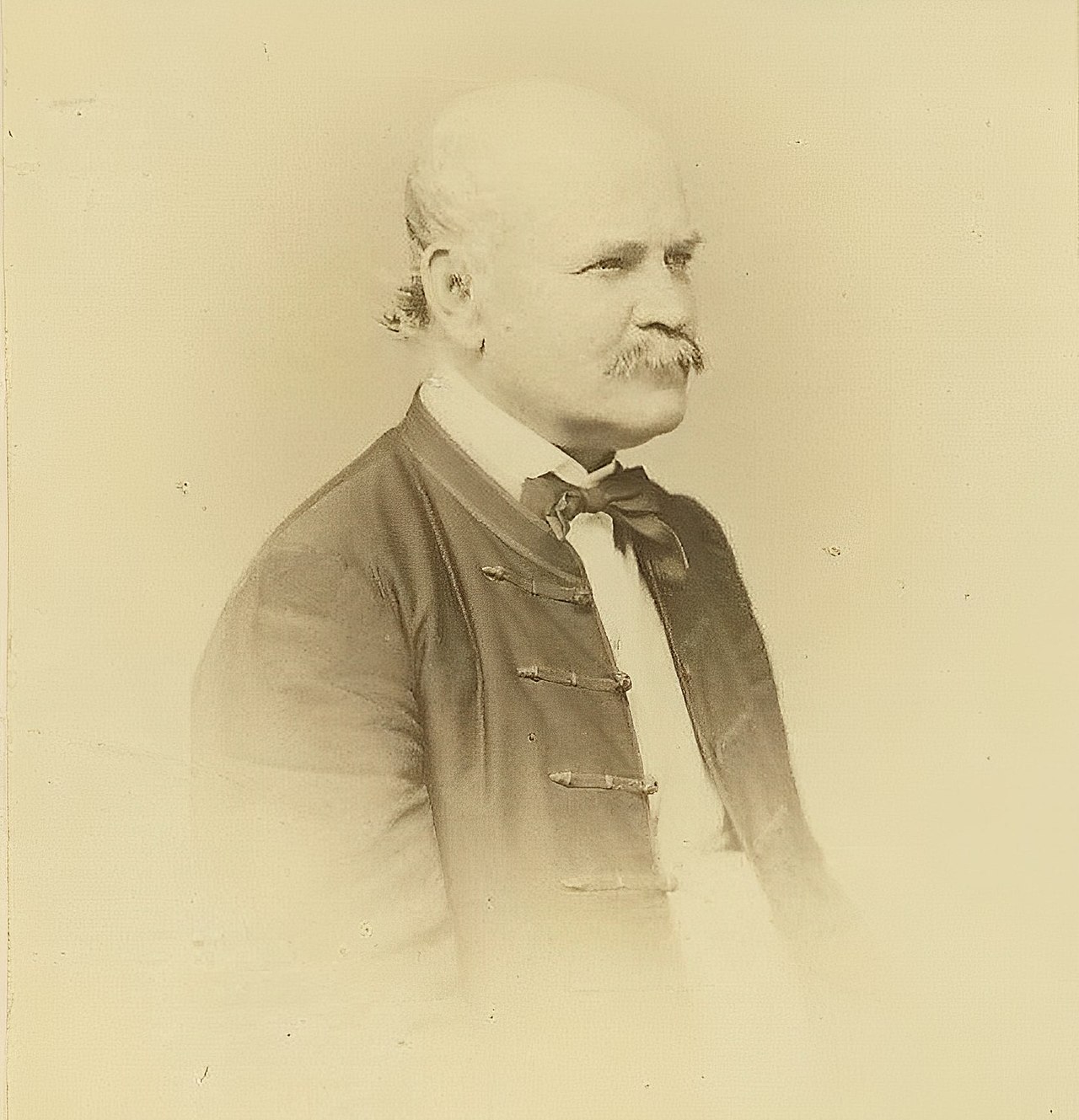
Ignaz Semmelweis: The Unsung Prophet of Hand Hygiene
Born in Hungary in 1818, Ignaz Semmelweis’s contributions to medicine are as tragic as they are profound. Working in the maternity wards of the Vienna General Hospital in the mid-19th century, he was confronted with a horrifying disparity: the first obstetric clinic, primarily staffed by doctors and medical students who also performed autopsies, had a maternal mortality rate due to puerperal fever that was five to ten times higher than the second clinic, which was attended by midwives.
Semmelweis, a meticulous observer, noticed a pattern. The medical students and doctors often came directly from the autopsy room to examine pregnant women, while the midwives did not. He theorized that "cadaverous particles" were being transferred from the deceased to the mothers. In a stroke of genius, and without the benefit of germ theory (which Louis Pasteur would formally develop decades later), Semmelweis instituted a radical protocol in 1847: requiring doctors and medical students to wash their hands with a chlorinated lime solution before examining patients. The results were astounding. The mortality rate in the first clinic plummeted from over 10% to less than 1% within months.
Despite the irrefutable evidence, Semmelweis faced intense skepticism and ridicule. His ideas challenged the established medical hierarchy and implied that doctors themselves were responsible for spreading disease. His superior, envious of his success and dismissive of his "handwashing craze," eventually forced him out. Semmelweis's later life was marked by frustration and mental decline, and he died in an asylum, ironically, from an infection contracted from a wound. His story is a poignant reminder of the resistance to groundbreaking ideas, but his legacy firmly established the fundamental importance of hand hygiene in achieving
Keimfreiheit Explained: Preventing Infections in Healthcare, a principle that remains a cornerstone of modern medical practice.
Joseph Lister: Architect of Antiseptic Surgery
While Semmelweis was fighting an uphill battle, across the English Channel, Joseph Lister, a British surgeon, was wrestling with similar problems of post-operative infection. Lister’s genius lay in his ability to connect the dots between emerging scientific discoveries and practical medical applications. In the 1860s, he became familiar with Louis Pasteur’s work demonstrating that microorganisms were responsible for fermentation and putrefaction. Lister hypothesized that these same "germs" were causing infections in wounds.
Inspired by Pasteur’s findings, Lister sought a chemical agent that could kill these invisible organisms. He turned to carbolic acid (phenol), which was then being used to treat sewage. Starting in 1865, Lister began experimenting with carbolic acid in his surgical practice. His methods were comprehensive and revolutionary for their time:
- He applied diluted carbolic acid directly to surgical wounds.
- He soaked surgical dressings in carbolic acid.
- He meticulously cleaned surgical instruments with the solution.
- He even used a carbolic acid spray in the operating room to "purify" the air during surgery.
The impact was dramatic. Before Lister's antiseptic methods, the mortality rate for major surgeries like amputations was often above 50%. After implementing his protocols, this rate dropped significantly, in some cases to less than 15%. Lister's work was a paradigm shift. Unlike Semmelweis, who focused on preventing the *transfer* of agents, Lister actively sought to *destroy* them, proving that the environment could be made hostile to microbes. His innovations directly led to the understanding of how to achieve
Keimfreiheit Medizinisch in surgical settings.
Lister's work, initially met with skepticism like Semmelweis's, gradually gained acceptance as his results became undeniable. He became a celebrated figure, and his antiseptic surgery paved the way for the development of modern sterile techniques. His contributions are a testament to the power of scientific inquiry combined with practical application. His principles laid the groundwork for
The Importance of Asepsis in Modern Medical Hygiene.
From Antiseptics to Asepsis: The Evolution of Keimfreiheit Medizinisch
While Lister pioneered *antisepsis* – the use of chemical agents to kill microbes on living tissue or surfaces – his work ultimately fostered the broader concept of *asepsis*. Asepsis, often used as a synonym for
Keimfreiheit Medizinisch, refers to techniques and procedures designed to prevent microbes from entering a sterile area, essentially creating a germ-free environment from the outset. It’s a preventive approach, aiming to exclude pathogens entirely rather than just killing them after they are present.
The transition from purely antiseptic practices to comprehensive aseptic techniques involved several key developments throughout the late 19th and early 20th centuries:
- Sterilization: The advent of steam sterilizers (autoclaves) allowed for reliable sterilization of surgical instruments, gowns, and dressings through heat, far more effective and less irritating than chemical solutions for many items.
- Surgical Gloves: The introduction of rubber gloves by William Halsted in the 1890s provided a crucial barrier between the surgeon's hands and the patient's tissues, further minimizing the risk of contamination.
- Operating Room Protocols: Strict procedures for preparing the surgical site, wearing sterile gowns and masks, and maintaining a sterile field around the patient became standard.
- Environmental Control: Advances in air filtration and ventilation systems helped maintain the "germ-freeness" of the operating room environment itself.
These collective efforts transformed surgery from a perilous gamble into a relatively safe and effective procedure. The foundational principles established by Semmelweis and Lister—the recognition of invisible pathogens and the systematic methods to combat them—became the bedrock upon which modern medical hygiene was built.
The Enduring Legacy: Practical Insights in Modern Healthcare
The journey to achieve
Keimfreiheit Medizinisch continues to evolve, but the core principles laid down by Semmelweis and Lister remain timeless. Today, these concepts are integrated into every facet of healthcare, from routine patient care to complex surgeries.
*
Hand Hygiene: Semmelweis's mandate is now universal. Healthcare workers rigorously practice handwashing and use alcohol-based sanitizers to prevent healthcare-associated infections (HAIs). Patients and visitors are also encouraged to maintain hand hygiene.
*
Sterilization and Disinfection: Every instrument, surface, and piece of equipment that comes into contact with patients is either meticulously disinfected or sterilized. This includes everything from surgical tools to endoscopes and even patient bedding.
*
Aseptic Technique: In any procedure involving breaking the skin barrier or entering a sterile body cavity (e.g., catheter insertion, wound dressing, surgery), strict aseptic techniques are followed to prevent microbial contamination. This involves sterile gloves, gowns, drapes, and precise protocols.
*
Environmental Controls: Modern hospitals feature advanced ventilation systems, strict cleaning protocols, and designated sterile zones to minimize the presence of pathogens.
*
Personal Protective Equipment (PPE): Beyond gloves and gowns, masks, eye protection, and full-body suits are used to protect both patients and healthcare providers from microbial transmission.
The ongoing battle against antibiotic-resistant bacteria further underscores the critical importance of robust aseptic practices. By preventing infections in the first place, we reduce the need for antibiotics, thereby helping to preserve their effectiveness. The stories of Semmelweis and Lister serve as powerful reminders of how simple, yet revolutionary, ideas can fundamentally alter the course of human health and define the very essence of safe medical care.
Conclusion
The contributions of Ignaz Semmelweis and Joseph Lister are monumental. Working in an era shrouded in microbial ignorance, they bravely challenged conventional wisdom and introduced practices that would forever change the medical world. Semmelweis's insistence on hand hygiene highlighted the crucial role of personal conduct in preventing infection, while Lister's application of antiseptic principles ushered in an era of safer surgery. Together, they illuminated the path toward
Keimfreiheit Medizinisch, transforming medicine from a high-risk endeavor into a science where patient safety and infection prevention are paramount. Their legacy continues to safeguard billions of lives daily, forming the invisible shield that protects us within modern healthcare.